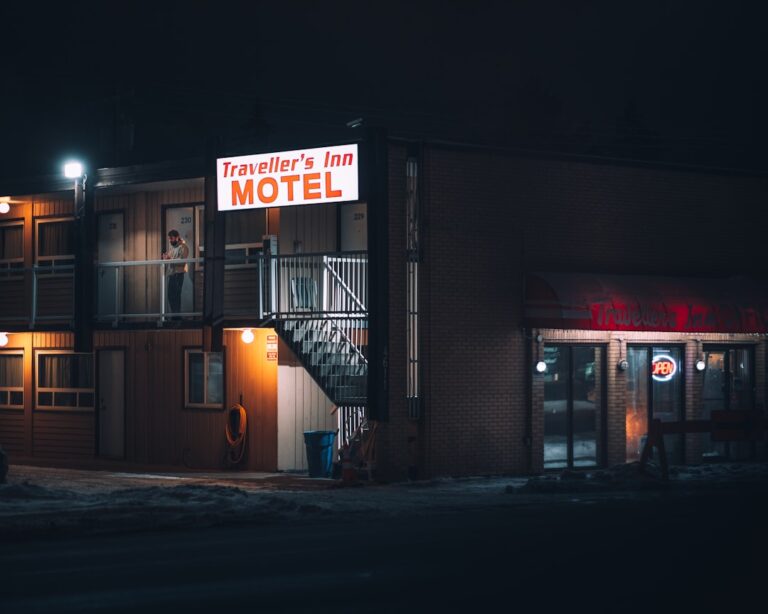
Travel Inn Motel: The Honest Guide to Saving Money on the Road in 2025
Something interesting is happening in American road travel right now. Searches for the travel inn motel experience are up roughly 80% according to recent trend data, and it’s not hard to see why. With hotel rates climbing and travelers looking for no-fuss places to sleep between long drives, the classic roadside motel is having a genuine moment. This guide breaks down what you actually get for your money, how to find a decent room, and when a motel makes more sense than a full-service hotel, so you can make a smarter call on your next trip.
What Is a Travel Inn Motel and Why Are Travelers Choosing Them Again?
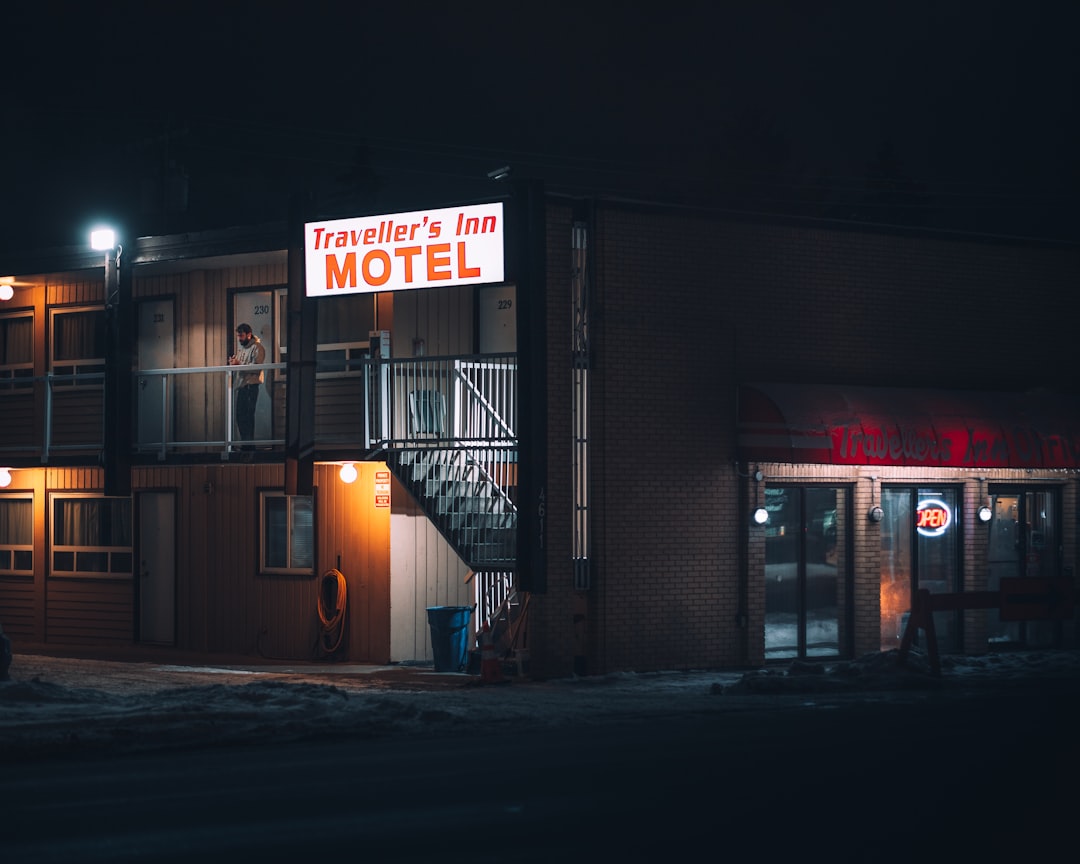
The word “motel” is a portmanteau of “motor” and “hotel,” and that origin story tells you everything about the concept. These properties were built around the car. You park directly outside your room, grab your bag, and you’re in. No lobbies to navigate, no elevators to wait for, no bellhops expecting tips.
Travel inn motels are typically one or two stories, with exterior-access rooms and a stripped-back approach to amenities. That simplicity is the whole point. You’re not paying for a rooftop bar you’ll never use or a spa you don’t have time for. You’re paying for a clean bed, a private bathroom, and a parking spot. For road trippers covering serious mileage, that’s often exactly enough.
The recent surge in interest likely ties to a broader shift toward domestic road travel and tighter household budgets. When a comparable hotel room can run $150 or more per night, a $60 motel starts looking very practical. For more context on stretching your travel budget, see our guide to budget road trip tips USA.
How Much Does a Travel Inn Motel Cost? A Real Price Breakdown
Let’s get into actual numbers, because vague advice doesn’t help you plan a trip.
Typical Nightly Rates
Across the US, motel rates generally fall between $56 and $100 per night. In rural stretches along major interstates, you can find rooms starting around $45. In cities and tourist corridors, expect to pay closer to $80 or more. Budget chains like Motel 6 advertise rooms from as low as $39.99 per night at select locations, though that floor price is more exception than rule.
How Motels Compare to Budget Hotels
The average budget hotel in the US runs about $93 per night, according to industry pricing data. That means even a mid-range motel stay can save you $20 to $40 nightly, which adds up fast on a two-week road trip. The trade-off is fewer services and, in some cases, older facilities. That said, many independently run travel inn motels have upgraded significantly in recent years, adding free WiFi, mini-fridges, and work desks to their standard rooms.
Hidden Costs to Watch For
Most motels include free parking, which is a genuine perk if you’re used to paying $30 a night for a garage in a city hotel. Some charge a small pet fee if you’re traveling with a dog. Always check whether the quoted rate includes taxes, as those can add 12 to 15 percent depending on the state.
What Amenities Does a Travel Inn Motel Actually Offer?
Expectations matter here. A travel inn motel is not trying to compete with a full-service hotel, and once you accept that, you’ll rarely be disappointed.
The Standard Package
Nearly every motel room includes bedding, towels, basic toiletries, a TV, air conditioning, and a private bathroom. Free WiFi and free parking are now standard at the vast majority of properties. Many rooms have been updated to include a mini-fridge and a small work desk, which makes them genuinely functional for a night or two of remote work.
Bonus Amenities Worth Checking For
Some travel inn motels offer an outdoor pool, a coin laundry room, or a simple continental breakfast. These aren’t guaranteed, but they’re worth filtering for when you search, especially if you’re traveling with kids or on a longer trip. Check the property listing carefully rather than assuming, since these extras vary widely even within the same chain. The American Hotel and Lodging Association publishes annual industry data that can help you understand what standard amenity tiers look like across property categories.
What You’re Giving Up
Room service, a fitness center, a restaurant on-site, and daily housekeeping (at some properties) are the main things you’ll typically forgo. For a one-night highway stop, none of that matters. For a three-day stay in a city, you might feel the absence more.
How to Find a Good Travel Inn Motel Without Getting a Bad Surprise
Quality varies more at independent motels than at chain properties, so doing a few minutes of homework before you book pays off.
Read Recent Reviews, Not Just the Star Rating
A motel’s star rating tells you very little. A property can hold a 3-star designation and still have cleanliness issues if ownership has changed recently. Filter reviews by “most recent” and look specifically for comments about cleanliness, noise levels, and whether the WiFi actually works. Patterns in the last 90 days of reviews are more useful than an average score built over years.
Check the Location Relative to Your Route
One of the biggest advantages of motels is their location along highways and state roads, often in spots where hotels simply don’t exist. If you’re driving Route 66, the Pacific Coast Highway, or the Blue Ridge Parkway, a travel inn motel may be the only practical overnight option for hundreds of miles. Build that into your itinerary rather than trying to force a hotel stay. For route planning ideas, our classic American road trip routes guide can help you map out overnight stops in advance.
Book Directly When You Can
For independent properties especially, calling ahead or booking through the motel’s own website sometimes gets you a better rate than third-party platforms. It also gives you a chance to ask specific questions about the room before you commit. Chains are generally fine to book through any major travel site.
When a Travel Inn Motel Makes Sense (and When It Doesn’t)
A motel is the right call more often than travelers give it credit for, but it’s not the right call every time.
Motels work best when you’re covering a lot of ground quickly, arriving late and leaving early, traveling with a dog, or simply trying to keep costs down on a long trip. They’re also a solid choice if you want the ease of loading your car directly from your room without any check-in theater.
Where motels fall short is on extended urban stays, trips where you’ll spend significant time at the property, or when you’re traveling with someone who values hotel amenities as part of the experience. In those cases, the savings may not outweigh the comfort gap.
If you’re weighing your options, see the AAA TripTik travel planning tool for lodging comparisons along popular US driving routes.
Frequently Asked Questions About Travel Inn Motels
Is a travel inn motel safe to stay at?
Most travel inn motels are perfectly safe, but quality varies by property. Read recent reviews specifically mentioning safety and lighting, and if you’re arriving late at night, look for properties with exterior security cameras and well-lit parking areas. Chain properties tend to have more consistent safety standards than independent motels.
What is the difference between a motel and a travel inn?
In practice, the terms are often interchangeable. “Travel inn” is a branding choice that some properties use to sound slightly more upscale or welcoming, but the physical layout and amenity set is typically the same as a standard motel: exterior-access rooms, basic amenities, and easy parking.
Do travel inn motels allow pets?
Many do, which is one reason road trippers with dogs prefer them over traditional hotels. Expect a pet fee ranging from $10 to $30 per night, and always confirm pet policies before booking since rules vary by property.
Can you book a travel inn motel last minute?
Yes, and motels are actually one of the better lodging categories for last-minute bookings. Many independent properties hold back rooms from online platforms, so calling directly the day of can sometimes land you a room even when listings show no availability.
Final Thoughts
The travel inn motel doesn’t need to be a compromise. For the right kind of trip, it’s the smartest choice you can make: affordable, convenient, and genuinely functional. At $45 to $80 per night versus $93 or more for a budget hotel, the savings are real, and the experience, especially at a well-maintained property, is more than adequate for a night on the road. Do a little research, read recent reviews, and you’ll find there’s a lot of value hiding along the highway. Find your next route and start planning with our guide to planning a US road trip on a budget.