Croatia Travel Guide: What to Know Before You Visit in 2025
Croatia keeps showing up on people’s radar for good reason. A single r/travel post from May 2024 racked up nearly 3,000 upvotes without any elaborate writeup, just photos that made people stop scrolling and start searching for flights. It’s that kind of destination. But Croatia is also one of those places where the gap between a great trip and a frustrating one comes down entirely to preparation. Crowds, costs, and timing all matter more here than in many other European countries. This guide cuts through the hype and gives you what you actually need to plan a smart visit.
Visa and Entry Requirements for Croatia in 2025 and Beyond
Croatia joined the Schengen Zone, which changed how entry works for a lot of travelers. If you hold a US, UK, Australian, or other visa-waiver passport, you can enter without a visa for stays up to 90 days within any 180-day period. That’s the good news. The news to pay attention to now is ETIAS. From late 2026, visa-exempt travelers will need to apply for ETIAS authorization before arriving in Croatia or any other Schengen country. The fee is €20 for travelers aged 18 to 70, and once approved, the authorization stays valid for three years or until your passport expires, whichever comes first. It’s a minor admin step, not a visa, but you’ll want to sort it before you land. For travelers who do require a short-stay visa, the standard fee runs around €80 for adults. Check the official Croatian Ministry of Foreign Affairs entry requirements for the most current information specific to your nationality.
How Much Does Croatia Actually Cost?
Croatia is not a budget destination, and anyone telling you otherwise hasn’t visited recently. Average daily travel costs run around $220 USD per person when you factor in accommodation, food, transport, and activities, which puts a one-week trip in the range of roughly $1,600 per person. That said, where you spend matters enormously.
Accommodation
Mid-range hotels in popular spots like Split and Dubrovnik typically run €90 to €100 per night. Private apartments and guesthouses often offer better value, especially if you’re booking outside peak summer months. Dubrovnik skews more expensive across the board.
Food and Getting Around
You can eat cheaply if you lean into bakeries and local spots. Sandwiches and pastries at local chains cost €2 to €4, which makes a quick lunch easy on the wallet. Sit-down meals at tourist-facing restaurants will push your food budget up fast. For transport, the toll motorway from Zagreb to Split costs around €26 by car. City day passes in Split and Dubrovnik run €4 to €5 for 24 hours or €10 to €12 for 72 hours, which is reasonable if you’re using public buses regularly. For more on managing your travel budget in Southern Europe, see our guide to budget travel in the Mediterranean.
Best Time to Visit Croatia
If your schedule allows any flexibility at all, avoid July and August. The Dalmatian Coast in peak summer is genuinely beautiful and genuinely packed, and Dubrovnik in particular becomes so crowded that the old city can feel more like an obstacle course than a travel experience. Prices spike and availability shrinks.
May, June, and September are the sweet spots. The sea is warm enough to swim, the crowds are thinner, accommodation is easier to find, and the light in the late afternoon is extraordinary along the coast. October works well for the islands if you’re after scenery over swimming. Spring is excellent for Plitvice Lakes, when the waterfalls are running strong from snowmelt and the park hasn’t yet hit its summer saturation point. Winter is quiet and cold on the coast, but Zagreb has a genuinely good Christmas market scene if that’s your kind of trip.
Top Experiences Worth Planning Around
Plitvice Lakes National Park is Croatia’s oldest and largest national park, and it earns every bit of its reputation. The cascading lakes connected by waterfalls and wooden boardwalks are unlike anything else in the country. Book your entry tickets well in advance for summer visits as daily numbers are capped. Dubrovnik’s old city walls are worth the entry fee for the views and the perspective they give you on the layout of the city below. The walls circuit takes about two hours at a relaxed pace and is best done early in the morning before the cruise ship crowds arrive.
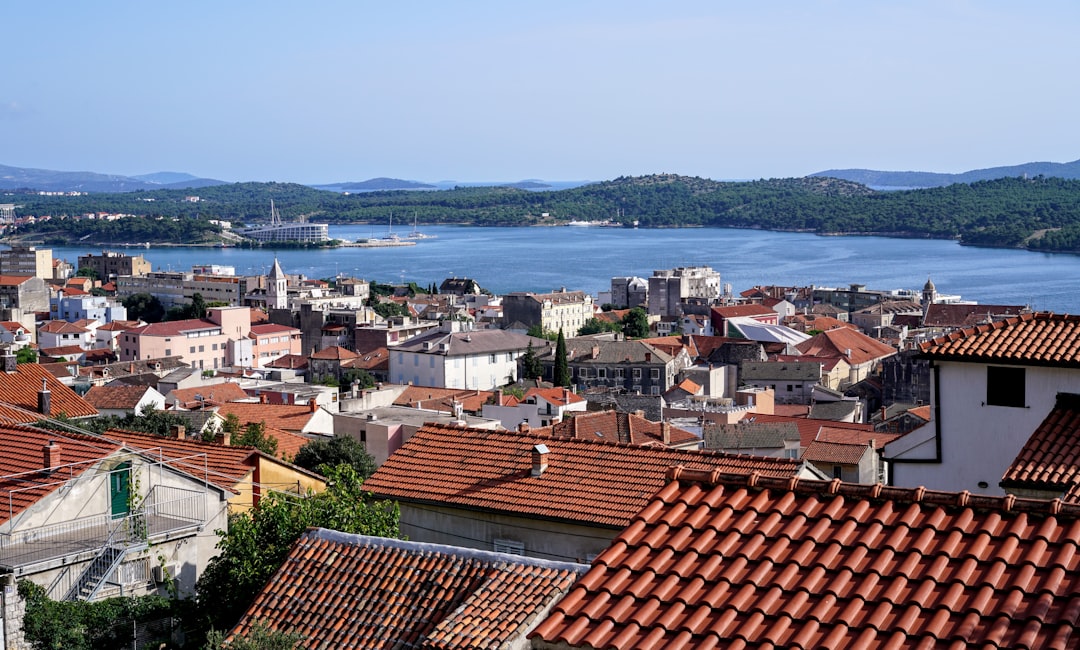
Split is more liveable than Dubrovnik and makes a better base for exploring the coast. Diocletian’s Palace, a Roman emperor’s retirement home that gradually became an entire city, is still an active residential neighborhood today. You can eat, sleep, and have a drink inside a 1,700-year-old imperial complex. The islands of Hvar, Brac, and Vis are all accessible by ferry from Split and offer very different experiences, from Hvar’s social scene to Vis’s quieter, more unspoiled feel. For day trip ideas from Split, see best islands near Split Croatia.
Getting Around Croatia
Croatia is a long, narrow country and distances are deceptive on a map. Getting from Zagreb down to Dubrovnik takes around five hours by car on the toll motorway, or longer by bus. The coastal cities are well connected by ferry and catamaran services in summer, which is often the most pleasant way to island-hop. Renting a car gives you the most flexibility, especially for reaching places like Plitvice Lakes or smaller coastal towns not served well by public buses. Parking in Dubrovnik and Split’s old towns is either impossible or very expensive, so plan to park outside the centers and walk or use local transit. Check the Jadrolinija ferry schedules and routes for up-to-date island connections before you finalize your itinerary.
Frequently Asked Questions About Croatia
Is Croatia worth visiting, or is it overhyped?
Croatia is genuinely worth visiting, but your experience depends heavily on when you go and where you focus. The Adriatic coastline, the national parks, and cities like Split are all excellent. Dubrovnik in July can feel exhausting due to the sheer number of visitors. Go in shoulder season and it’s one of the best trips in Europe.
Do I need cash in Croatia, or is card payment widely accepted?
Croatia adopted the Euro in 2023, making payments more straightforward than before. Card payment is widely accepted in cities and tourist areas, but smaller towns, markets, and some island establishments still prefer cash. Carry some Euros for those situations.
Is Croatia safe for travelers?
Croatia is considered a very safe destination with low rates of violent crime. The main things to watch for are standard tourist-area issues like pickpocketing in crowded spots and occasional price inflation at restaurants near major attractions. Always check the current entry and safety advisories from your government before travel.
How many days do you need for a Croatia trip?
Seven to ten days gives you a solid foundation. That’s enough time for Zagreb, Plitvice Lakes, Split, one or two islands, and Dubrovnik without feeling rushed. If you’re only doing the coast, five or six days is workable, but you’ll feel like you’re skimming.
Final Thoughts
Croatia rewards travelers who go in with a clear plan and realistic expectations about cost and crowds. It’s not a bargain destination anymore, but the variety it packs into one country, ancient Roman cities, island-hopping, national parks, good food, and one of the most dramatic coastlines in Europe, is hard to match. Go in May or September, book Plitvice in advance, and give Split more time than you think it deserves. You can find a deeper breakdown of regional options in our guide to Dalmatian Coast travel planning. The travelers who love Croatia most are the ones who slowed down long enough to actually experience it.