
2 Weeks in Japan: A Practical Itinerary and Honest Cost Breakdown
Japan has always attracted travelers, but right now the interest is hitting a different level. A recent thread on r/travel about spending 2 weeks in Japan pulled in over 5,000 upvotes, which tells you something: people are genuinely hungry for real, practical advice on planning this trip. And it makes sense. Japan rewards travelers who plan well and can quietly frustrate those who don’t. Two weeks is actually a great amount of time to cover the classics without burning out. This guide covers the key itinerary decisions, realistic costs, transit logistics, and a few things most first-timers only learn the hard way.
How to Get Around Japan in 2 Weeks
The good news is Japan has one of the most reliable transit systems on earth. The not-so-good news is that navigating it takes a little homework before you land. Most international travelers arrive at either Haneda or Narita airport in Tokyo. Haneda is closer to the city center and generally easier for first-timers; Narita is further out but well connected by train and bus. From either airport, public transit into central Tokyo is both affordable and straightforward.
Your first purchase should be a prepaid IC card, either a Suica or Pasmo. Load it up with yen and you can tap in and out of almost every train, subway, and bus in the country. It also works at convenience stores and vending machines. For longer distances, you’ll be using the Shinkansen bullet train network. A round-trip ticket between Tokyo and Kyoto runs around $280, so factor that in early. Despite what you may have heard, the Japan Rail Pass is generally not worth it for a two-week trip focused on a few cities. The pass saw major price hikes in 2023, and for most itineraries, buying individual tickets works out cheaper. Check the Japan Rail Pass fare calculator before committing either way.
A Realistic 2-Week Japan Itinerary
Two weeks gives you enough time to move through three or four regions without feeling like you’re sprinting. A classic structure looks something like this: start with three or four days in Tokyo, then take the Shinkansen west to spend two days in Hakone or the Fuji Five Lakes area, followed by three days in Kyoto, a day trip to Nara, two days in Osaka, and a possible add-on to Hiroshima and Miyajima before returning to Tokyo for your flight.
Tokyo (Days 1–4)
Tokyo alone could swallow a week. For two weeks in Japan overall, four days is a reasonable slice. Spend time in neighborhoods rather than ticking off sightseeing boxes. Shinjuku and Shibuya offer the neon-lit Tokyo you’ve seen in photos. Yanaka gives you a slower, older side of the city. Akihabara is worth an afternoon if electronics or gaming culture interests you at all. And Tsukiji Outer Market remains one of the best places in the world to eat breakfast, even after the main wholesale market relocated.
Kyoto (Days 6–8)
Kyoto is where most people fall hardest for Japan. The temple density here is real: Fushimi Inari alone could take a full morning if you walk the entire mountain trail rather than stopping at the first photo opportunity. Arashiyama bamboo grove is genuinely worth visiting, but go before 8am or you’ll share it with hundreds of people. The Gion district is best explored on foot at dusk. For a guide to nearby day trips from Kyoto, see our piece on Nara day trip from Kyoto.
Osaka and Beyond (Days 9–14)
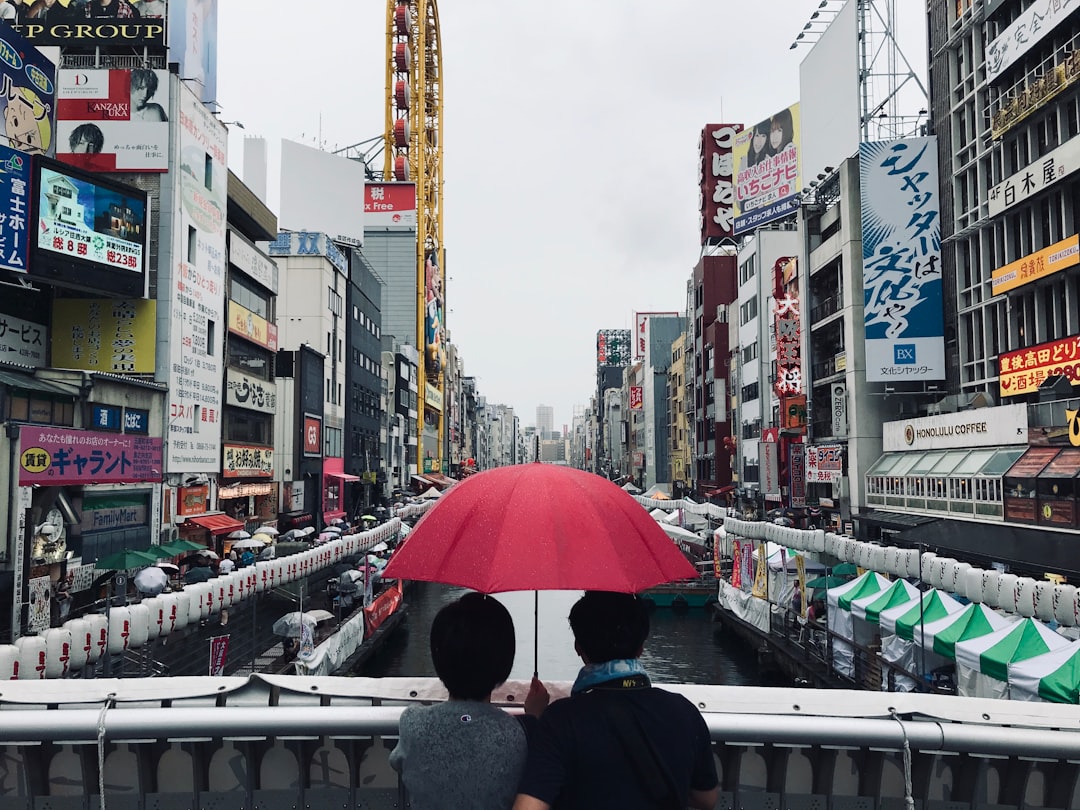
Osaka is 15 minutes from Kyoto by Shinkansen and feels like a completely different city. It’s louder, cheaper, and obsessed with food. Dotonbori is the epicenter of that energy. Hiroshima is about 90 minutes further west and deserves a full day, especially combined with the short ferry ride to Miyajima Island to see the famous floating torii gate.
What Does 2 Weeks in Japan Actually Cost?
Japan’s reputation as an expensive destination is somewhat outdated, but it’s not a budget destination either. Here’s a realistic breakdown by travel style.
Budget Travelers
If you stay in hostels or capsule hotels, eat at convenience stores and ramen shops, and stick to public transit, you can manage roughly $100 to $150 per day per person. Convenience stores like 7-Eleven and Lawson in Japan are legitimately good for meals; a full onigiri-and-noodle lunch runs under $6.
Mid-Range Travelers
Business hotels, sit-down restaurants for most meals, and occasional paid attractions push your daily budget to around $200 to $300 per person. This is probably where most visitors land in practice, even if they planned to budget travel.
Overall Trip Estimate
Add your flights (highly variable), the Tokyo-Kyoto Shinkansen round trip (around $280), and a two-week accommodation spend, and a mid-range two-week Japan trip typically runs between $3,500 and $5,500 per person all-in before flights. That’s a wide range because so much depends on where you sleep and how often you eat at sit-down restaurants. For a deeper look at managing costs, check our guide to Japan travel budget tips.
Visa Requirements and New 2026 Fee Changes
Many nationalities can currently enter Japan visa-free for stays up to 90 days, including travelers from the US, UK, most of Europe, and Australia. However, if your nationality requires a visa, the costs are about to change significantly. Starting as early as April 2026, single-entry visa fees are expected to jump from roughly ¥3,000 to ¥15,000 (about $100 USD at current rates), and multiple-entry visas will cost around ¥30,000. Japan’s departure tax is also set to rise from ¥1,000 to approximately ¥3,000 per person. These changes affect trip budgets for anyone applying through a consulate, so check your country’s requirements well ahead of travel. See the Japan Ministry of Foreign Affairs visa information for the most current entry requirements by nationality.
Best Time to Visit Japan for a 2-Week Trip
Spring (late March to early May) and autumn (mid-October to mid-November) are the sweet spots for weather and scenery. Cherry blossom season in late March and early April is genuinely spectacular, but also the most crowded and expensive time to travel. Hotels book out months in advance and prices reflect the demand. If you want mild weather without the peak crowds, aim for early November: the autumn foliage is at its best and tourist numbers drop noticeably after the October school holiday rush. Summer (June to August) is hot, humid, and wet during the rainy season, but also when most festivals happen. Winter is cold but quiet, and Kyoto in January is one of the most peaceful versions of the city you’ll find.
Frequently Asked Questions About 2 Weeks in Japan
Is 2 weeks enough time to see Japan?
Two weeks is a solid amount of time for a first trip. You can comfortably cover Tokyo, the Fuji area, Kyoto, Nara, and Osaka without rushing. If you try to add too many cities or regions, the transit time starts eating into your days.
Is Japan affordable for tourists?
It depends on your travel style. Budget travelers can get by on $100 to $150 per day, but most visitors end up spending closer to $200 to $300 per day once accommodation, transit, and meals are factored in. It’s cheaper than Paris or London, but not as cheap as Southeast Asia.
Do I need a Japan Rail Pass for 2 weeks?
For most two-week itineraries, buying individual Shinkansen tickets works out cheaper than the Japan Rail Pass, which saw steep price increases in 2023. Run the numbers for your specific route before purchasing a pass.
What’s the best way to pay for things in Japan?
A prepaid IC card (Suica or Pasmo) handles most transit and small purchases efficiently. Cash is still widely used and important to carry, especially at smaller restaurants and rural areas. Many places are slowly adding card terminals, but Japan remains far more cash-reliant than most Western countries.
Final Thoughts
Two weeks in Japan is one of those trips that tends to rearrange how you think about travel. The logistics are manageable once you understand the transit system, the costs are predictable if you plan ahead, and the variety between cities means you’re rarely experiencing the same thing twice. Book your accommodation early if you’re traveling in spring, sort out your visa situation now given the upcoming fee changes, and give yourself permission to slow down in at least one city rather than trying to see everything. For more route inspiration, see our full guide to Japan itinerary planning.