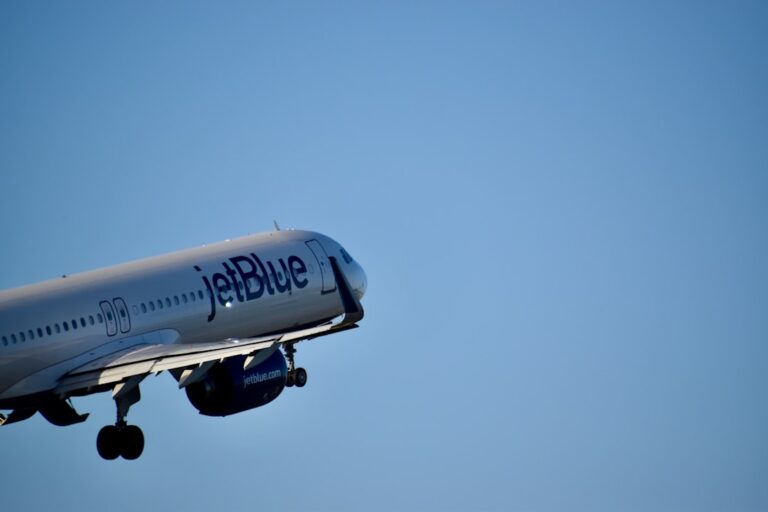

Flights to Quito: How to Find the Best Deals and What to Expect in 2025
Ecuador just won Wanderlust’s Destination of the Year for 2025, and searches for flights to Quito have surged nearly 190% in recent months. That’s not a coincidence. Travelers are waking up to what insiders have known for a while: Quito is one of the most compelling capitals in South America, sitting at over 9,000 feet above sea level, ringed by active volcanoes, and home to one of the best-preserved colonial old towns on the continent. Whether you’re planning a quick escape or a longer Andean adventure, getting your flights sorted is the first real decision you’ll make. Here’s a practical breakdown of what to expect, which airlines to consider, and how to avoid overpaying.
How Much Do Flights to Quito Actually Cost?
The short answer: less than you might expect. Round-trip flights to Quito start from around $123 on the lower end, though those prices typically require flexibility and early booking. More realistically, budget for economy round-trips starting at roughly $388 if you’re booking from a major U.S. city a few weeks out. If you prefer lie-flat seats and airport lounges, business class options are available from around $1,099 round-trip.
One-way fares are surprisingly accessible too, starting from approximately $65 depending on your departure city and how far in advance you book. For context, that’s competitive with flights to many Caribbean islands, yet Quito delivers a fundamentally different kind of trip.
The day you fly matters more than most people realize. Tuesday departures consistently come in cheaper than other days of the week, while Sundays tend to be the priciest. If your schedule has any flexibility, shifting your outbound flight to a Tuesday can make a meaningful difference. For comparison tools and live pricing, Google Flights fare calendar is worth bookmarking, since it lets you scan an entire month at a glance.
Which Airlines Fly to Quito, and Which Routes Are Busiest?
Quito’s Mariscal Sucre International Airport (airport code UIO) is well-connected to North America and Europe, with a solid lineup of carriers competing for your seat.
Top Airlines Serving Quito
Avianca leads the pack for direct flights, operating nonstop service from 11 cities, which makes it the single most versatile option if you want to skip connections. American Airlines, LATAM, Copa Airlines, and Iberia round out the major players. Copa is particularly useful if you’re routing through Panama City, which serves as a clean one-stop hub for travelers coming from smaller U.S. cities that don’t have direct service to Quito.
The Busiest U.S. Route: Miami to Quito
Miami International Airport (MIA) to UIO is the dominant U.S. gateway, with around 580 flights per month connecting the two cities. The flight itself takes approximately 4 hours and 12 minutes, making it genuinely manageable as an overnight or a long afternoon trip. If you’re on the West Coast, flying from Los Angeles adds significant time: expect around 10 hours and 12 minutes in the air, usually with at least one stop in Miami, Bogotá, or Panama City.
For travelers in the American Southeast or Northeast, Miami remains the most logical jumping-off point, both for frequency and for the sheer number of fare options it generates. For the full list of current nonstop routes into UIO, the Quito airport official site publishes up-to-date airline and schedule information.
When Is the Best Time to Book Flights to Quito?
March stands out as the cheapest month to fly to Quito, and there’s a logical reason for it. Ecuador’s low season runs through the early months of the year, when international tourist numbers dip and airlines drop prices to fill seats. If your goal is to spend as little as possible on the flight itself, targeting a March departure gives you the best odds.
That said, “cheap” doesn’t mean “unpleasant.” March in Quito brings some rain, but the city’s equatorial climate means temperatures stay relatively consistent year-round, typically in the mid-50s to low-70s Fahrenheit at altitude. You’re not sacrificing sunshine for the savings in any dramatic way.
Peak travel season, when prices climb and competition for seats intensifies, tends to cluster around northern hemisphere summer and the December holiday period. If you must travel then, booking at least two to three months in advance is a reasonable cushion. For more on timing your Ecuador trip around weather and local events, see our guide to best time to visit Ecuador.
Tips for Getting the Cheapest Flights to Quito
Knowing the numbers is one thing; actually locking in a good price is another. A few practical habits make a real difference.
Be Flexible with Your Departure Day
Tuesday departures consistently offer lower fares than the rest of the week. Sunday is reliably the most expensive day to fly out. Even shifting a Friday departure to a Tuesday can shave a meaningful amount off your total, particularly on longer hauls from the West Coast.
Use Fare Alerts and the Month View
Rather than searching one specific date and hoping for the best, use a flight search tool that shows you an entire month of prices on a single screen. Set fare alerts for the UIO airport code so you’re notified when prices drop, rather than refreshing manually every few days.
Consider Your Layover Hub
Not all connecting flights are equal. Bogotá on Avianca or LATAM, Panama City on Copa, and Miami on American each offer distinct price points depending on your origin city. Running a quick comparison across two or three hub options before committing can surface deals that a single search misses. If you’re planning to visit Colombia or Panama on the same trip, building a longer layover into your routing can effectively give you a second destination for minimal extra cost. For ideas on combining destinations, check our guide to South America multi-country itineraries.
What to Know About Quito’s Airport
Mariscal Sucre International Airport sits about 18 kilometers northeast of central Quito, and getting into the city from there takes somewhere between 25 and 60 minutes depending on traffic. The airport is modern and well-organized, with money exchange facilities, a range of food options, and clear signage in both Spanish and English.
One thing to keep in mind: Quito sits at high altitude, and you’ll feel it the moment you step off the plane. If you’re flying in from sea level, give yourself at least a day to acclimatize before attempting anything strenuous. Drink water, take it slow, and don’t plan a volcano hike for your first afternoon. Your body will thank you. For a full breakdown of what to do once you land, see our Quito travel guide for first-time visitors.
Frequently Asked Questions About Flights to Quito
What is the cheapest month to fly to Quito?
March is generally the most affordable month for flights to Quito, coinciding with the low tourist season in Ecuador. Fares tend to be lower across most departure cities during this period, and the weather in Quito remains mild, though slightly wetter than the drier months.
How long is the flight from the US to Quito?
It depends significantly on your departure city. From Miami, a direct flight to Quito takes around 4 hours and 12 minutes. From Los Angeles, expect roughly 10 hours and 12 minutes including a typical layover. Most U.S. travelers will connect through Miami, Bogotá, or Panama City.
Which airline flies direct to Quito from the most cities?
Avianca offers the most extensive nonstop coverage to Quito, flying directly from 11 cities. Other airlines including American, LATAM, Copa, and Iberia also serve the route, though most involve at least one connection depending on your origin city.
Is it expensive to fly to Quito?
Quito is reasonably accessible by South American standards. Round-trip economy fares start from around $388 from major U.S. cities, with budget options occasionally dipping to around $123 for flexible travelers. One-way tickets can start as low as $65. Flying on a Tuesday and booking during the low season in March will give you the best odds of finding a lower fare.
Final Thoughts
With Ecuador earning serious international recognition in 2025 and search interest in flights to Quito climbing sharply, now is a genuinely good moment to start planning before prices follow the crowds. The fare landscape is accessible, especially if you fly on a Tuesday, target March for budget travel, or route through Miami to take advantage of the busiest and most competitive corridor. Avianca, Copa, American, and LATAM each have their strengths depending on where you’re coming from, so a quick comparison across a couple of hubs is always worth the extra five minutes. Quito rewards travelers who show up prepared, and the hardest part is usually just committing to the trip.