

Flights to New York: How to Find the Best Deals and What to Know Before You Go
Search interest in flights to New York has jumped 70% recently, and if you’ve been watching fares climb and wondering when to pull the trigger, you’re not alone. New York draws more visitors than almost anywhere else on the planet, and with three major airports, dozens of airlines, and prices that can swing wildly depending on when you book, the process of actually getting there can feel more complicated than it should be. This guide cuts through the noise. Whether you’re flying domestically or arriving from overseas, here’s what you need to know to book smart, avoid the obvious traps, and land in the city without blowing your budget before you’ve even seen Times Square.
Which New York Airport Should You Fly Into?
New York’s three airports each serve a different purpose, and choosing the right one can save you real time and money once you land.
JFK (John F. Kennedy International)
JFK is the city’s largest and most internationally connected airport, handling flights from across the globe as well as major domestic routes. It’s located in Queens, roughly 15 to 19 miles from Midtown Manhattan depending on traffic. If you’re flying in from Europe, Asia, Latin America, or the Middle East, this is almost certainly where you’ll land. The airport is large and can feel chaotic during peak hours, so budget extra time for connections and customs if you’re arriving internationally.
LaGuardia (LGA)
LaGuardia is primarily a domestic airport, with a handful of Canadian routes added to the mix. It’s geographically closer to Manhattan than JFK, sitting about 8 miles from Midtown, but ground traffic can make travel time unpredictable. After years of construction, the terminal upgrades have made LGA significantly more pleasant to navigate than it used to be. If you’re flying domestically and getting a good fare into LaGuardia, don’t rule it out.
Newark Liberty International (EWR)
Technically in New Jersey, Newark handles both domestic and international flights and is worth considering if fares are significantly lower. It’s well connected to Manhattan via NJ Transit and the AirTrain system. Some travelers find Newark easier to navigate than JFK, and airlines sometimes price routes into EWR more competitively. Factor in the transfer time to wherever you’re staying before dismissing it as “too far.”
How to Find Cheap Flights to New York: Timing Is Everything
The difference between a good fare and a frustrating one often comes down to when you search and when you fly, not just which airline you pick.
Best Month to Book
February consistently comes up as the cheapest month to fly to New York, with return fares dropping to as low as $54 on some routes according to FlightsFinder data. That’s an extreme low end, but the general pattern holds: winter travel outside of the holiday window is significantly cheaper than spring or summer. June sits at the other end of the scale, with return fares potentially pushing past $147 and often higher for international routes. If your dates are flexible, shifting a trip from June to late January or early February can mean hundreds of dollars in savings.
Best Day to Fly
Thursday is worth paying attention to. Data suggests flying on a Thursday saves travelers around 16% on average compared to departing on a Sunday, which is consistently one of the priciest days to travel. Midweek departures and returns tend to outperform weekend slots across the board, particularly on domestic routes.
How Far in Advance to Book
Skyscanner’s data points to roughly 40 days before departure as the sweet spot for finding competitive fares. Booking too early can mean prices haven’t dropped yet; booking too late means inventory shrinks and prices spike. That said, last-minute deals do exist occasionally, but counting on them is a gamble. For most travelers, six weeks out is a reasonable target.
For UK travelers specifically, recent searches have turned up round-trip fares from around £246 and one-way options from approximately £159, though prices shift constantly. Tools like Google Flights let you track price changes and set alerts so you’re not refreshing manually every day.
Which Airlines Fly to New York?
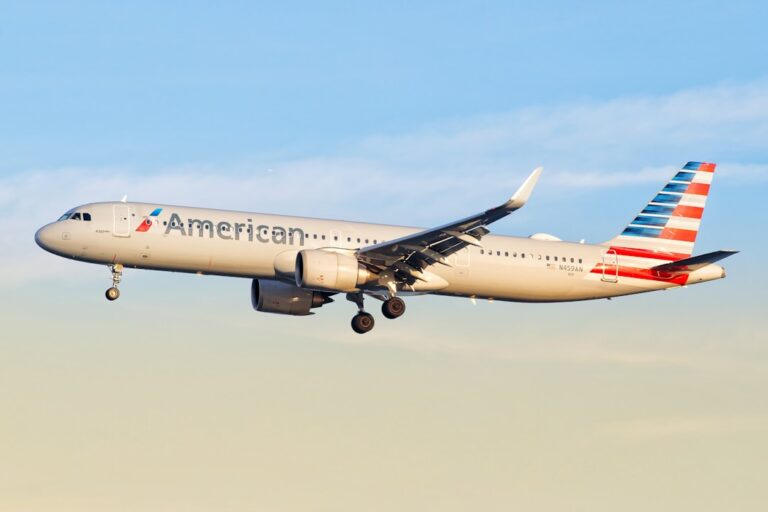
Delta is the dominant carrier into New York, operating direct flights from 128 cities into LaGuardia and JFK combined. That kind of network means Delta is often the most convenient option for domestic travelers, particularly those connecting through one of the airline’s hub cities. American Airlines is another major player, with strong coverage across North America and transatlantic routes into JFK.
For budget-conscious travelers, JetBlue has carved out a solid reputation for competitive fares and decent onboard experience, especially on routes between New York and Florida, the Caribbean, and select West Coast cities. Frontier and Spirit operate at the lower end of the price spectrum, and while their base fares can look appealing, make sure you account for add-on fees for bags, seat selection, and anything else you might normally expect to be included. The gap between the advertised fare and what you actually pay can be significant.
If you’re flying internationally, most major global carriers serve JFK, including British Airways, Lufthansa, Air France, Emirates, and Aer Lingus, among others. Comparing across carriers using a flight aggregator is the fastest way to identify which airline is offering the best value on your specific route and dates. For a broader look at navigating transatlantic routes, see our guide to cheap transatlantic flights.
Getting from the Airport into New York City
Landing is just the beginning. How you get from the airport into the city affects both your budget and your first impression of the trip.
From JFK
The AirTrain connects JFK to the subway and Long Island Rail Road networks. The AirTrain fare is $8, and from there you can connect to the subway for the standard $2.90 fare (or whatever the current MTA rate is at the time of your visit). The full journey to Midtown via subway typically takes around 60 to 75 minutes depending on your final destination. It’s not the fastest option, but it’s far and away the cheapest. Taxis from JFK to Manhattan run a flat rate of $70 (before tolls and tip), and rideshare apps like Uber and Lyft are competitive but can surge during busy periods.
From LaGuardia
LaGuardia doesn’t have a direct rail connection to the subway, so your options are buses (the M60 SBS runs to the subway for a standard MTA fare), taxis, or rideshare. NYC Ferry has also expanded service in some areas. Budget extra time regardless of which option you choose; traffic around LGA can be unpredictable.
From Newark
NJ Transit trains connected via the Newark Airport AirTrain offer a straightforward route into Penn Station in Midtown Manhattan. Journey times are typically around 30 to 45 minutes. It’s one of the more straightforward airport-to-city connections of the three, and often faster than the JFK subway option depending on where in the city you’re headed. For more detail on getting around once you arrive, see our guide to navigating New York City public transit.
Is New York Worth Visiting Year-Round?
Short answer: yes, but each season has a different feel and a different price tag. Spring (April to early June) and fall (September to November) are widely regarded as the most pleasant times to visit in terms of weather. Temperatures are manageable, the city is active, and you’re not fighting the full weight of summer tourist crowds. Summer is expensive and hot, but it’s also when the city’s outdoor events, rooftop bars, and parks are at their liveliest. Winter outside the holiday period is cold but genuinely charming, and as already noted, it’s when you’ll find the lowest fares and hotel rates.
If you’re trying to balance cost with experience, late January through early March is genuinely underrated. The holiday decorations are gone, but the city is fully operational, museums are easy to get into, and restaurants aren’t booking out weeks in advance. For more on planning your time once you arrive, our New York City travel guide covers neighborhoods, food, and how to budget your days effectively.
You can also check the NYC Tourism official site for seasonal events, free activities, and up-to-date visitor information directly from the city’s tourism authority.
Frequently Asked Questions About Flights to New York
What is the cheapest month to fly to New York?
February is typically the cheapest month for flights to New York, with return fares dropping significantly compared to peak summer travel. If your schedule allows, flying in late January or early February will almost always yield better prices than spring or summer travel.
Which New York airport is easiest to get into the city from?
Newark and JFK both offer rail connections into Manhattan, making them more straightforward than LaGuardia, which lacks a direct subway link. Newark’s NJ Transit connection to Penn Station is often fast and reliable. JFK’s AirTrain-to-subway option is the cheapest route but can take 60 to 75 minutes depending on your destination.
How far in advance should I book flights to New York?
Around 40 days before your departure date tends to be the sweet spot based on fare tracking data. Booking too far in advance often means prices haven’t dropped yet, while waiting until the last minute risks reduced availability and higher fares.
Are budget airlines worth it for flying into New York?
Budget carriers like Frontier and Spirit can offer attractive base fares, but you need to account for add-on costs: checked bags, carry-on fees, and seat selection can add up quickly. Run the full comparison including all fees before assuming a low base price means a cheaper trip overall.
Final Thoughts
Booking flights to New York doesn’t have to be a guessing game. Flying on a Thursday, targeting the 40-day booking window, and being open to February or late January travel can all translate into meaningful savings. Choose your airport based on your route and where in the city you’re staying, not just the cheapest headline fare, since transfer costs and travel time matter. New York is one of those cities that genuinely rewards the effort of getting there; once you’re in, the energy, the food, and the sheer density of things to do make the planning worthwhile. Start your search, set a fare alert, and go.





One Comment