
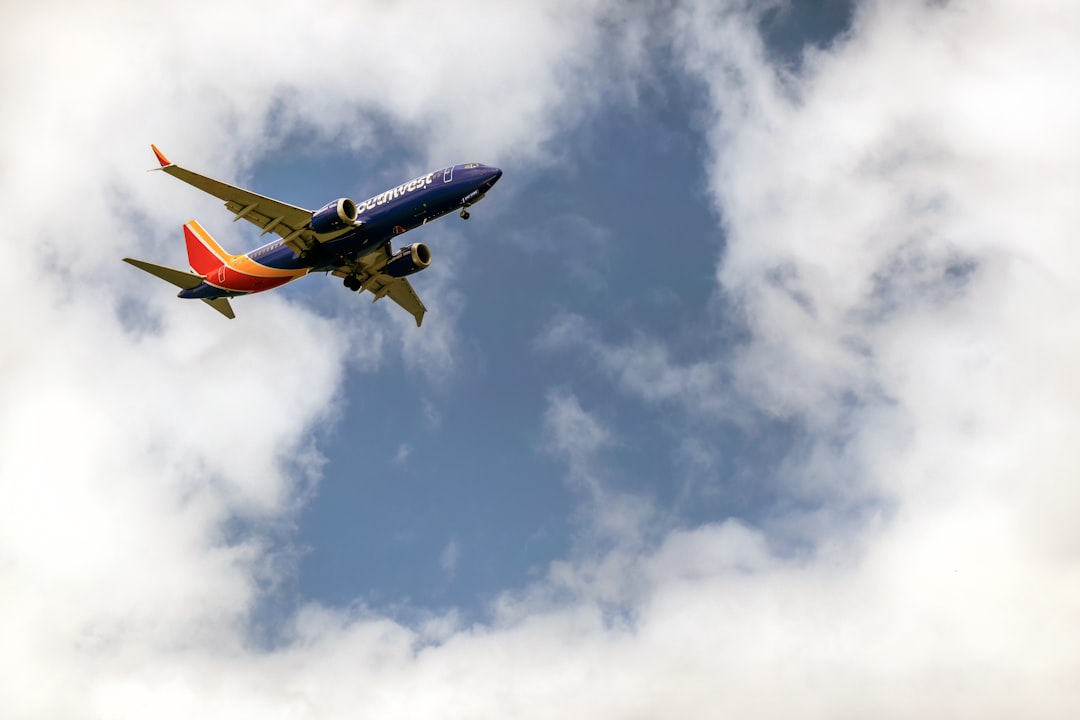
Southwest Airlines in 2025–2026: What Every Traveler Needs to Know Before Booking
If you haven’t flown Southwest Airlines in a while, or you’re a die-hard loyalist who books them without thinking, stop before your next search. The airline that built its entire identity around free bags, open seating, and a kind of cheerful chaos has fundamentally changed how it operates. In the span of just a few months, Southwest has overhauled two of its most iconic policies: first by charging for checked bags for the first time in its history, and then by ditching open seating entirely after 54 years. Whether that sounds like progress or heartbreak depends on who you ask. Either way, flying Southwest now works differently than it did even a year ago, and if you book assuming the old rules still apply, you could be in for an expensive surprise.
Why Southwest Airlines Is Changing Everything Right Now
Southwest isn’t tweaking around the edges here. These are foundational changes to a model that made the airline genuinely different from every other carrier in the U.S. For decades, the pitch was simple: no assigned seats, two free checked bags, and a boarding process that rewarded early check-ins with better seat choices. Travelers either loved it or hated it, but it was theirs, a quirky, recognizable identity in an industry full of look-alike carriers.
That identity is now largely gone. The airline began charging for checked bags in early 2025 and completed its shift to assigned seating in January 2026. On Reddit and travel forums, the reaction has been sharp. “The soul of Southwest is gone,” one long-time customer wrote, a sentiment that’s been echoed widely. The airline is clearly betting that attracting mainstream travelers who prefer assigned seats is worth losing some of its most loyal customers. Whether that gamble pays off, time will tell. But for anyone booking a flight right now, what matters most is understanding exactly what you’re paying for.
Southwest Baggage Fees: What You’ll Pay in 2025
Free checked bags were the cornerstone of Southwest’s value proposition, and they’re no longer free. For any flight booked on or after May 28, 2025, you’ll pay $35 for your first checked bag and $45 for the second. That puts Southwest squarely in line with what Delta, United, and American charge, which is exactly the point. Southwest is no longer positioning itself as the budget-friendly exception; it’s matching industry norms.
There is one meaningful carve-out worth knowing about: if you hold a Southwest co-branded credit card, you get one free checked bag for yourself and each person on the same reservation, up to eight travelers. If you travel with family or frequently check bags, that benefit alone can offset the cost of carrying the card. For solo travelers who check a bag on every trip, the math is worth running before your next booking.
If you typically fly carry-on only, the fee change may not affect you much. But the era of throwing an extra bag in your check-in for nothing is over. Pack accordingly.
Assigned Seating: How Southwest’s New Boarding Process Works
For flights departing on or after January 27, 2026, Southwest has moved entirely to assigned seating. The open boarding system, where passengers lined up by number and scrambled for their preferred spot, is done. What replaces it looks a lot more like every other airline you’ve flown.
What “Basic” Passengers Get
If you book a standard fare without paying extra for seat selection, Southwest assigns you a seat at check-in. You don’t choose it in advance, the airline picks it for you. This is similar to how basic economy works on legacy carriers, and it carries the same risks: you might end up in a middle seat near the back, especially if you check in late. Traveling with a partner or family? There’s no guarantee you’ll sit together unless someone pays for the seat selection upgrade.
How to Choose Your Seat
Southwest now offers a premium option that lets you select your seat before the flight. Pricing details for this add-on are still rolling out as the new system settles in, but the structure mirrors what you’d find on most major U.S. carriers, pay more for preferred seats or earlier boarding, accept what you’re given if you don’t.
The practical upside: if you hated the old cattle-call energy of Southwest boarding, assigned seats might actually be a relief. The downside: the spontaneity and egalitarian spirit that made the airline feel different is gone. You’re now essentially flying a slightly different version of every other airline.
Is Southwest Still Worth Booking? An Honest Assessment
This is the question that’s driving so much of the current conversation, and the honest answer is: it depends on your travel style.
If you’re a carry-on-only traveler who never loved the open seating scramble and just wants a reliable domestic flight, Southwest may actually suit you better now than it did before. The route network is strong, the on-time performance has generally been competitive, and the airline hasn’t abandoned customer-friendly policies entirely, just the two biggest ones.
If you were a Southwest loyalist specifically because of free bags and open seating, the value calculation has genuinely changed. A solo traveler checking two bags round-trip is now looking at $160 in bag fees for a round trip, real money that didn’t exist in the equation a year ago. Factor that into any price comparison you do against other carriers.
Southwest’s Rapid Rewards loyalty program remains intact, and the airline still flies to a solid mix of major hubs and secondary airports that bigger carriers sometimes skip. Southwest Airlines official route map and booking For leisure travelers who fly Southwest a few times a year without strong brand loyalty either way, it’s worth comparing total costs, base fare plus bag fees plus seat selection, against competitors on the same route before assuming Southwest is the cheaper option. It might still be. Or it might not. That math requires checking now in a way it didn’t before.
Practical Tips for Flying Southwest Under the New Rules
Book Smart on Bags
If you check bags regularly and don’t have a Southwest credit card, it’s worth calculating whether getting the card makes financial sense for your travel frequency. The annual fee on most co-branded travel cards runs $69–$99, and if the free bag benefit saves you $35 each way on multiple trips per year, it pays for itself quickly. Southwest Rapid Rewards credit card details
Check In Early for Seat Assignments
Under the new assigned seating system, waiting until the last minute to check in is riskier than it used to be. Basic fare passengers receive their seat assignment at check-in, so the earlier you check in, the better the available inventory is likely to be. Set a reminder for the 24-hour mark before your departure.
Compare Total Costs, Not Just Base Fares
Southwest used to be easy to compare against competitors because the all-in price was cleaner. Now, add up base fare, any bag fees, and seat selection costs across every airline you’re considering before deciding. A slightly higher Southwest base fare with no bag fee can still beat a lower headline price from a carrier that charges $40 each way for a carry-on, but you have to do the math.
Frequently Asked Questions About Southwest Airlines
Does Southwest Airlines still have free checked bags?
No, not for most passengers. As of May 28, 2025, Southwest charges $35 for the first checked bag and $45 for the second on flights booked after that date. The one exception is Southwest co-branded credit cardholders, who still receive one free checked bag for themselves and each person on the same reservation, up to eight travelers.
When did Southwest switch to assigned seating?
Southwest moved to assigned seating for all flights departing on or after January 27, 2026. The airline’s famous open boarding system, which had been in place for 54 years, is no longer in use. Passengers who book basic fares now have seats assigned at check-in rather than choosing their own spot on the plane.
Is Southwest Airlines still a good deal compared to other airlines?
It can be, but you have to compare more carefully now. With bag fees aligned to industry standards and assigned seating replacing the old free-for-all, Southwest’s pricing structure looks more like its competitors than it used to. Run the total cost, fare plus bags plus seat selection, on the specific routes you’re flying before assuming it’s the cheapest option.
Can you still use Southwest points and Rapid Rewards after the changes?
Yes. Southwest’s Rapid Rewards loyalty program hasn’t been eliminated by these changes. You can still earn and redeem points on flights, and elite status benefits remain in place. The changes to baggage and seating policies are separate from the loyalty program structure, though the value calculation for earning status may shift as the airline’s overall pricing model evolves.
Final Thoughts
Southwest Airlines is still flying, still covering a strong domestic network, and still running its loyalty program, but the airline you’re booking today is genuinely different from the one that defined budget domestic travel for decades. The free bags are gone. The open seating is gone. What remains is a carrier in transition, finding its footing in a more conventional model. If you go in with clear eyes about what you’re paying for, you can still find good value on Southwest. Just don’t assume the old rules apply. Check the total cost, understand the new boarding system, and make the call based on your actual trip, not on how Southwest used to work. The travelers who adapt to the new reality will do fine.




2 Comments