United Airlines in 2025: What Travelers Need to Know Right Now
Something significant is happening at United Airlines right now, and if you’re planning a flight, whether domestically or internationally, it directly affects your trip. Search interest in United Airlines has surged 250% in recent weeks, and it’s not hard to understand why. A landmark new partnership with JetBlue just went live, a critical hub at Newark is facing FAA-mandated flight cuts through late 2026, and United has quietly cemented its position as the largest airline in the world by available seat miles. That’s a lot of change happening at once. Whether you’re a loyal MileagePlus member trying to figure out what the JetBlue deal actually means for your points, or a traveler routing through Newark who needs to know what’s at risk, this article breaks down what matters most right now.
United Airlines and JetBlue’s “Blue Sky” Partnership: What It Means for You
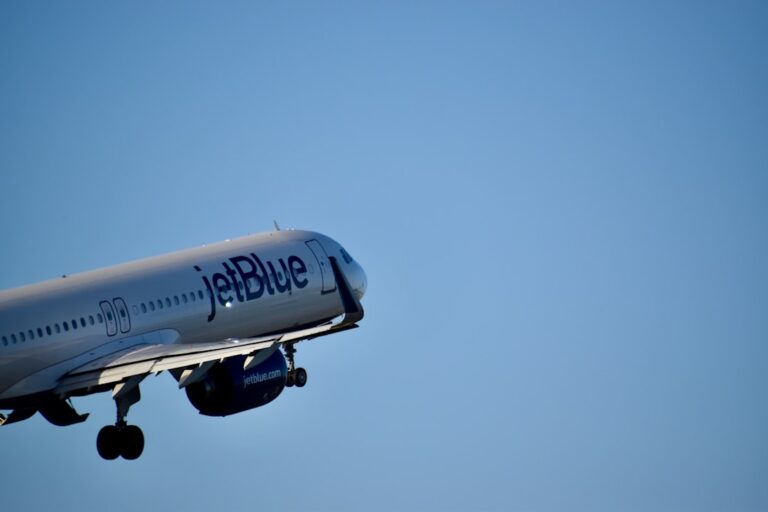
The most talked-about development in U.S. aviation right now is the officially launched partnership between United Airlines and JetBlue, called “Blue Sky.” On paper, it’s a frequent flyer dream: United MileagePlus members can now earn and redeem miles on JetBlue flights, and JetBlue TrueBlue members get the same access on United. That kind of reciprocal arrangement between two previously unconnected carriers is genuinely useful, especially for travelers who live in JetBlue-heavy markets like Boston, Fort Lauderdale, or New York.
Right now, you can book JetBlue itineraries directly on United’s website, and United flights through JetBlue’s platform, whether you’re paying with cash or miles. That’s already live. The bigger upgrades land in Q1 2026, when revenue cash bookings across both carriers go live alongside reciprocal elite perks. That means priority boarding, preferred seating, and same-day flight change privileges flowing between the two programs. If you’re a United elite who frequently uses JetBlue for East Coast routes, that’s a meaningful quality-of-life improvement worth planning around.
The practical takeaway: if you’ve been sitting on MileagePlus miles and wondering whether they’re still worth accumulating, this partnership expands your redemption options considerably. More routes, more flexibility, and a legitimate path to elite-level perks on a second carrier, all without opening a new loyalty account.
The Newark Problem: What Travelers Need to Know Before Flying Through EWR
Newark Liberty International Airport has had a rough 2025. A series of serious disruptions earlier this year, linked to concerns about the U.S. air traffic control system, snarled hundreds of United flights and set off a broader national conversation about aviation infrastructure. The FAA’s response was to mandate flight cuts at Newark, and those cuts have now been extended through October 2026.
Why does this matter so much? Because United controls more than two-thirds of Newark’s traffic. EWR is effectively United’s New York area hub, and reductions there ripple across its entire network. If you’re connecting through Newark on a transatlantic flight, a domestic hop, or anything in between, you should factor this into your planning.
Practical Tips for Navigating Newark Right Now
First, build in more connection time than you normally would at EWR. What used to be a tight but manageable 45-minute domestic connection is now higher risk. Second, check whether your itinerary can be rerouted through another United hub, Chicago O’Hare, Houston Intercontinental, or Washington Dulles are all alternatives depending on where you’re headed. Third, if Newark is your origin or destination and not just a layover, keep flight alerts active. Delays have been frequent enough that same-day changes have become a real need for many travelers.
United has been proactive about offering waivers during disruption periods, so if your travel dates overlap with any issued travel waivers, use them. Rebooking without fees is a meaningful benefit when schedules are this unpredictable.
United’s Route Network: Why It’s Worth Considering for International Travel
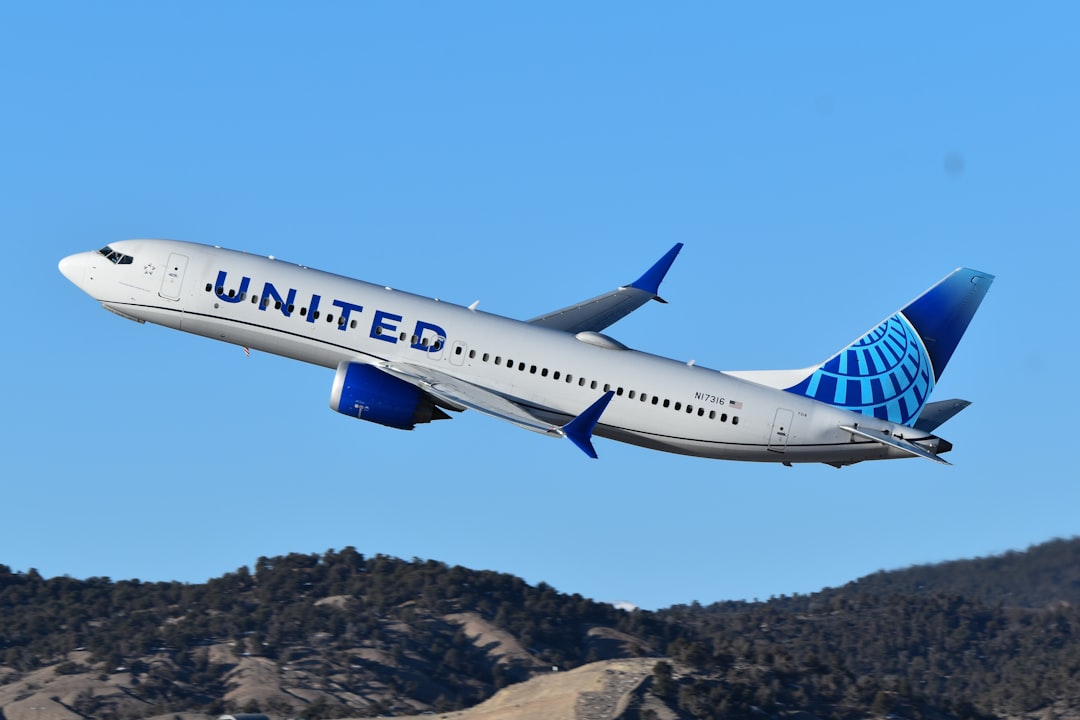
One thing that often gets undersold in the conversation about United is the sheer reach of its network. With hubs in Chicago, Denver, Houston, Los Angeles, New York/Newark, San Francisco, and Washington D.C., United connects more U.S. cities to international destinations than any other North American carrier. If you’re flying from a mid-sized American city to somewhere in Europe, Asia, or South America, there’s a good chance United has the most direct routing, or the least painful connection.
San Francisco and Los Angeles are United’s primary gateways for transpacific routes, with strong coverage to Japan, South Korea, Australia, and beyond. Houston Intercontinental anchors Latin American connections. Newark and Washington Dulles carry much of the transatlantic load, which is part of why the EWR disruptions have been so consequential, those aren’t just domestic routes being trimmed.
For travelers chasing award availability, United’s Star Alliance membership means MileagePlus miles can be redeemed on partner carriers like Lufthansa, ANA, and Singapore Airlines, often at competitive rates for premium cabin travel.
How Much Does Flying United Actually Cost? A Realistic Look at Fares
United’s fare structure has layers, and understanding them saves real money. The Basic Economy tier is genuinely restrictive, no seat selection, no changes, and your bag goes in the overhead bin only if space allows (carry-on included in most cases, but checked bags cost extra). For short domestic flights where you’re traveling light and your plans are locked in, it can be a reasonable call. For anything longer, or if there’s any chance your plans might shift, the regular Economy or Economy Plus upgrade is worth the price difference.
Economy Plus seats, those rows with extra legroom near the front of the economy cabin, typically run an additional $30–$80 per segment depending on route length and how far in advance you book. For flights over three hours, that’s often money well spent. United also sells last-minute upgrades to Polaris Business Class at significantly reduced rates if seats are unsold close to departure, though availability is unpredictable.
On the MileagePlus side, saver award rates for domestic economy flights typically start around 12,500 miles one-way, while international saver awards in economy can range from 30,000 to 60,000 miles depending on the region. Premium cabin redemptions on Star Alliance partners often offer better value per mile than United-metal flights, so it’s worth comparing before you book.
Is United Airlines Right for Your Next Trip?
That depends on where you’re going and what you value. If your priority is network breadth, especially for international travel from the U.S., United is genuinely hard to beat. No other North American carrier offers comparable global coverage from as many domestic starting points. The Star Alliance membership and the new Blue Sky partnership with JetBlue mean your miles go further than they used to, which strengthens the case for building loyalty with MileagePlus if you fly frequently.
The honest trade-offs: onboard hard product in economy is average, and the Newark situation is a real operational concern for the foreseeable future. If you have flexibility on routing, choosing Chicago or Houston as your hub instead of Newark is a lower-risk option until the FAA situation resolves. United’s app and digital experience are generally solid, and customer service has improved in recent years, though like any major carrier, experiences vary.
For budget-focused travelers who don’t care much about accumulating status, United isn’t always the cheapest option on a given route. But for frequent flyers, international travelers, or anyone who values a broad loyalty ecosystem, it makes a strong case.
Frequently Asked Questions About United Airlines
What is the United Airlines and JetBlue Blue Sky partnership?
Blue Sky is a reciprocal loyalty and booking partnership between United Airlines and JetBlue. MileagePlus members can earn and redeem miles on JetBlue flights, and TrueBlue members can do the same on United. Cross-carrier booking is already live, with expanded elite perks and revenue bookings launching in Q1 2026.
Is flying through Newark (EWR) reliable right now?
Newark has seen significant disruptions in 2025, and the FAA has extended flight reduction mandates at the airport through October 2026. Travelers connecting through EWR should build in extra buffer time and monitor their itineraries closely. If your route allows for an alternative United hub, it may be worth considering during this period.
How do I get the most value out of United MileagePlus miles?
Premium cabin redemptions on Star Alliance partner airlines, carriers like ANA, Lufthansa, and Singapore Airlines, often yield better cents-per-mile value than redeeming on United-operated flights. The new Blue Sky partnership also adds JetBlue routes as a redemption option. Avoid redeeming for merchandise or gift cards, where the value drops significantly.
Does United Airlines fly nonstop to international destinations from smaller U.S. cities?
Direct nonstop international service from smaller cities is limited, but United’s hub structure means connections are often seamless. Its seven U.S. hubs offer extensive international departures, and the network is particularly strong for transpacific routes from the West Coast and transatlantic routes from the East Coast and Midwest.
Final Thoughts
United Airlines is in the middle of a genuine transition, expanding its loyalty ecosystem through the Blue Sky partnership with JetBlue, navigating real operational challenges at Newark, and solidifying its position as the world’s largest airline by seat capacity. For travelers, that means more options than ever on the loyalty side, but also a need to stay informed about which hubs are running smoothly. If you’re building a trip around United, the network is hard to match, just route around Newark where you can, and take advantage of the MileagePlus-JetBlue connection before most travelers realize it’s there. For more on making your miles work harder, see how to maximize airline miles in 2025.