Dubai Travel in 2025: What You Actually Need to Know Before You Go
More than two million people visited Dubai in December 2024 alone, making it the first time the emirate crossed that threshold in a single month. That’s not a typo. Dubai travel has been on a relentless upward trajectory for three consecutive record-breaking years, and the city shows no signs of slowing down. Whether you’re drawn by the architecture, the beaches, the food scene, or simply the novelty of a place that seems to reinvent itself every few years, the question isn’t really whether Dubai is worth visiting. It’s how to do it right without blowing your budget or wasting time on the wrong things. This guide covers visas, costs, getting around, where to stay, what to skip, and when to go so you can plan a trip that actually suits you.
Visa Requirements for Dubai Travel in 2025
The good news: if you hold a passport from the UK, US, EU, or Australia, you can get a visa on arrival. Depending on your nationality, this is valid for either 30 or 90 days, which is more than enough for most trips. The process is genuinely straightforward. Dubai has moved its entire visa system online, and applications are processed within 24 hours. If you do need to apply in advance, you can do so through the UAE General Directorate of Residency and Foreigners Affairs website, which lists current fees and eligibility by nationality. Always double-check your specific passport requirements before booking, since the rules vary more than people expect, particularly for travelers holding dual nationality or passports from countries without visa-on-arrival agreements.
One practical note: your passport needs to be valid for at least six months beyond your planned arrival date. Border officers do check, and being turned away at Dubai International Airport is an expensive lesson. Keep a digital and physical copy of your entry documents, and if you’re connecting through Dubai rather than entering as a final destination, the transit visa rules are different again.
When to Go: Dubai’s Seasons Are Not Created Equal
Dubai has roughly two seasons: pleasant and extremely hot. From November through March, temperatures sit between about 20°C and 30°C (68°F to 86°F), making this the prime window for outdoor activities, beach days, and walking around without feeling like you’re inside a clothes dryer. This is also peak tourist season, so hotel prices climb and popular attractions get crowded.
April and October sit in the shoulder zone, warm but manageable, and hotel rates start to ease. From May through September, temperatures regularly exceed 40°C (104°F) with high humidity, and you’ll spend most of your time moving between air-conditioned spaces. That’s not necessarily a dealbreaker if you’re visiting primarily for indoor experiences like shopping, dining, or the city’s growing medical tourism scene, but it’s a brutal environment for sightseeing. If you’re flexible, late November to early February is the sweet spot: good weather, active event calendar, and before the absolute peak of December holiday pricing.
How Much Does a Dubai Trip Actually Cost?
Dubai has a reputation as a luxury destination, and it can absolutely be one. But it’s more affordable than most people assume, especially if you know where to spend and where to save.
Accommodation
Budget travelers can find clean, well-located hotels and hostels in areas like Deira and Bur Dubai for roughly $40 to $80 USD per night. Mid-range hotels in Dubai Marina or Downtown Dubai typically run $120 to $250 per night. If you want the iconic experience of staying somewhere like the Atlantis or a five-star tower on the Palm, budget $400 and up per night. Prices spike significantly in December and January, so booking two to three months out is wise for that window. For more tips on stretching your money, see our guide to budget luxury travel tips.
Food
This is where Dubai surprises people. A solid meal at a local Emirati restaurant or a South Asian canteen in Deira costs $5 to $10 USD. You’re not required to eat at hotel restaurants with three-digit prices. The city’s workforce is enormously diverse, and that’s reflected in a food scene where you can eat extremely well on a modest budget if you’re willing to eat where locals actually eat.
Activities
Entry to the Burj Khalifa observation deck costs around $35 to $50 USD depending on the tier you choose. Desert safaris run $50 to $150 USD per person. Many of Dubai’s most iconic experiences, like walking along the Dubai Marina waterfront, exploring the Gold and Spice Souks in Deira, or visiting the Dubai Creek area, cost nothing at all. The city is increasingly leaning into free or low-cost public experiences, particularly as it courts a broader range of international visitors.
Getting Around Dubai
Dubai’s metro system is genuinely good. Clean, air-conditioned, affordable, and covering most of the major tourist corridors from the airport through Downtown, Business Bay, Dubai Marina, and beyond. A single trip costs a few dirhams (roughly $1 to $2 USD), and you’ll need a Nol card, which you can buy and top up at any metro station. The metro doesn’t reach everywhere, particularly some of the older neighborhoods and beach areas, but it handles the core route well.
Taxis are metered, widely available, and reasonably priced by international city standards. Uber and Careem both operate in Dubai and are often slightly cheaper than hailing a cab on the street. Car rental is an option worth considering if you plan to explore beyond the city, including day trips to Sharjah, Al Ain, or the Hatta mountain area, but driving inside Dubai itself involves navigating significant traffic during peak hours. The metro is almost always faster for central routes.
For route planning across all transit options, the RTA Dubai Journey Planner is the official tool and works well for first-time visitors.
Where to Stay: Dubai’s Neighborhoods Compared
Dubai is large and spread out, so where you base yourself genuinely shapes what your trip feels like.
Downtown Dubai and Business Bay
This is the tower-and-mall zone: the Burj Khalifa, Dubai Mall, and the Dubai Fountain are all here. Staying here puts you at the center of the postcard version of Dubai. It’s convenient but pricey, and the neighborhood is more transactional than atmospheric.
Dubai Marina and JBR
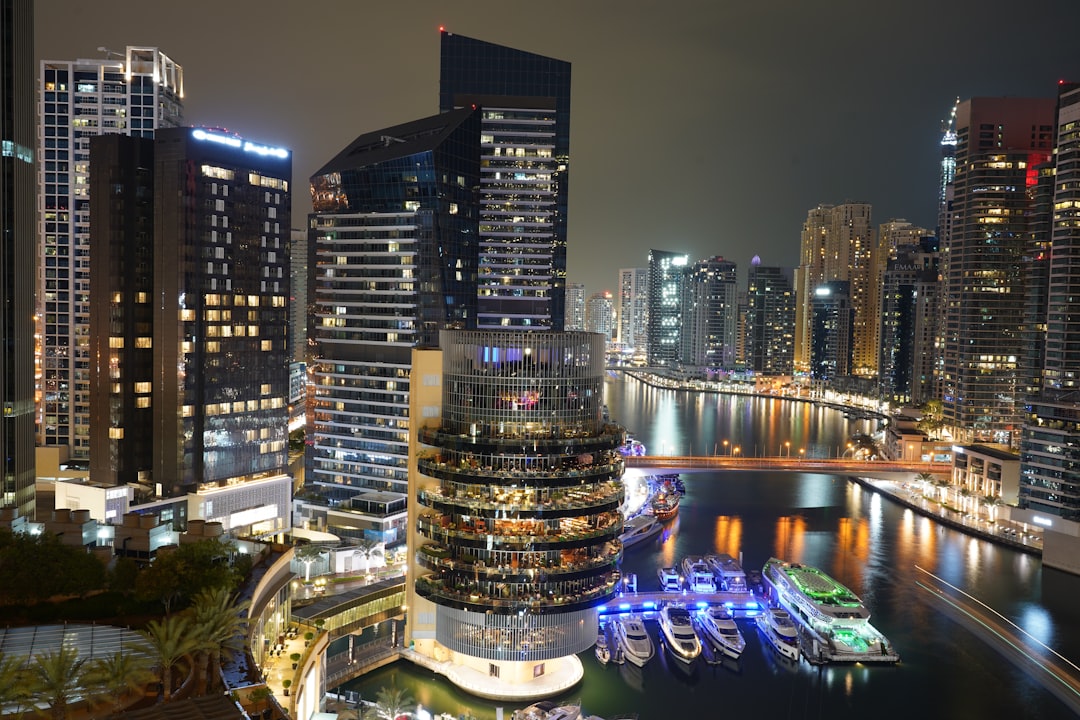
Better for travelers who want beach access and a more relaxed evening pace. The Walk at JBR has a good mix of restaurants at different price points, and the Marina itself is pleasant to walk around. This area works well for families and couples looking for a mix of beach and city.
Deira and Bur Dubai
If you want to actually feel the older layers of Dubai rather than the newest ones, these neighborhoods along Dubai Creek are where to look. The souks, the abra boats crossing the Creek, the South Asian neighborhoods of Meena Bazaar: this is a different city from the one in the glossy ads. It’s also significantly cheaper. For an in-depth look at navigating the older city districts, see our guide to exploring Dubai’s historic neighborhoods.
What’s New in Dubai for 2025 and Beyond
Dubai doesn’t sit still. The city is currently expanding Al Maktoum International Airport, a project that will eventually make it one of the world’s largest aviation hubs and significantly alter flight options and logistics for international travelers. A new landmark, the Ciel Dubai Marina tower, is in development and is expected to become the world’s tallest hotel on completion. Over 150 hotels in the emirate now hold the Dubai Sustainable Tourism stamp, a certification program signaling a real push toward more environmentally accountable hospitality options, which matters if eco-conscious travel factors into your planning. Medical tourism is also growing fast, driven by a formal collaboration between the Dubai Health Authority and the Department of Economy and Tourism, positioning the city as a regional hub for specialist healthcare. It’s an unusual differentiator for a destination, but it’s drawing a distinct category of visitor and expanding the city’s international profile. For travelers planning ahead, 2026 is shaping up to be a significant year, so if you’re flexible on timing, watching the infrastructure rollout could influence when you choose to go. You can also explore our broader guide to Middle East travel planning for regional context.
Frequently Asked Questions About Dubai Travel
Is Dubai safe for tourists?
Dubai consistently ranks among the safest cities in the world for international travelers. Violent crime is rare, tourist scams are less common than in many comparable destinations, and the city is well-policed. The main things to be aware of are the legal codes around public behavior, which are stricter than in Western countries: public intoxication, displays of affection in certain contexts, and dress codes at religious sites are all worth researching before you go.
How many days do you need in Dubai?
Three to five days is enough to cover the main attractions without feeling rushed. A week gives you room to take a desert safari, explore the older neighborhoods at a slower pace, and potentially do a day trip to a neighboring emirate like Abu Dhabi or Fujairah. Shorter trips of two days work if you’re transiting, but you’ll feel the city pulling at you as you leave.
Is Dubai expensive for tourists?
It depends heavily on your choices. Accommodation and ticketed attractions can be expensive, particularly in peak season. But food can be very affordable if you eat outside the hotel circuit, public transport is cheap and good, and many of the best experiences in the city are free. A realistic mid-range daily budget is around $150 to $200 USD per person including accommodation, meals, and one or two paid activities.
What is the best time of year for dubai travel?
November through March is the most comfortable window, with mild temperatures and a full events calendar. January and February offer the best weather with slightly lower prices than December. If you’re visiting primarily for indoor experiences like shopping or dining, the summer months can work with significantly reduced hotel rates, though the outdoor heat is genuinely intense.
Final Thoughts
Dubai travel rewards people who show up with a plan and a willingness to look past the obvious. Yes, the towers are extraordinary. Yes, the shopping malls are absurd in the best possible way. But the city also has a genuinely complex older character, a food scene anchored in dozens of distinct migrant communities, and a pace of development that means it’s always offering something new. The sweet spot for most travelers is a week in the cooler months, a mix of old city and new, and a budget that doesn’t blow everything on accommodation. Get that balance right and Dubai delivers. For more help planning your trip, see our guide to Middle East travel planning.