
Dubai Flights: What Every Traveler Should Know Before Booking in 2025
Search interest in Dubai flights has surged by 400% recently, and it’s not hard to understand why. Dubai has quietly become the world’s most-connected aviation hub, and for a growing number of travelers, it’s both a destination and a layover worth turning into a proper trip. Whether you’re flying direct from New York, connecting through from Sydney, or just trying to figure out which airport you’ll actually land at, the logistics of getting to Dubai are more interesting, and more important to understand, than most travel guides let on. This article walks you through everything from which carriers fly where, to what the visa process actually looks like on arrival, so you can book with confidence instead of confusion.
Why Dubai Is One of the Easiest Cities in the World to Fly Into
Dubai International Airport, known by its code DXB, handled a record 95.2 million passengers in 2025 according to Dubai Airports official statistics, making it the world’s busiest international airport by passenger volume. That’s not a marketing claim; it’s a reflection of geography. Dubai sits within an eight-hour flight of roughly two-thirds of the world’s population, which is exactly why Emirates built its entire network around it.
Right now, DXB is served by 108 airlines connecting passengers to 291 cities across 110 countries. In practical terms, that means the vast majority of travelers can reach Dubai either nonstop or with a single connection, regardless of where they’re departing from. If you’re flying from a major hub like London, New York, Toronto, or Singapore, nonstop options are plentiful. Smaller cities will almost always have a one-stop routing that keeps total travel time reasonable.
It’s also worth knowing that Dubai has a second airport: Al Maktoum International (DWC), sometimes called Dubai World Central. It currently handles a fraction of DXB’s traffic, but a AED 128 billion (approximately USD $35 billion) expansion is on track for completion by 2032. When finished, it will have capacity for 260 million passengers per year across five parallel runways, which would make it the largest airport on earth. Both Emirates and FlyDubai have confirmed plans to relocate their operations there by that date, so if you’re booking flights more than a few years out, keep an eye on which terminal you’re actually ticketed into.
Which Airlines Fly to Dubai and What Should You Expect?
Emirates: The Obvious Choice, But Not Always the Best Price
Emirates operates out of DXB and offers arguably the most extensive network of any single carrier flying into Dubai. Their long-haul economy product is consistently solid, with seat-back screens, reasonable legroom by industry standards, and complimentary meals and drinks included. Business and first class are genuinely excellent if you’re traveling on points or a corporate fare. The downside is that Emirates rarely offers the lowest base fares. If you find a deal, jump on it. If not, it’s worth comparing.
FlyDubai for Regional Connections
FlyDubai, Dubai’s low-cost carrier, covers a dense network of routes across the Middle East, Africa, South Asia, and Eastern Europe that larger airlines either skip or overprice. If you’re connecting onward from Dubai to somewhere like Tbilisi, Colombo, or Zanzibar, FlyDubai is often the most practical and affordable option. Their flights operate out of Terminal 2 at DXB, which is smaller and more utilitarian than Terminal 3, so budget your time accordingly.
Other Major Carriers Worth Considering
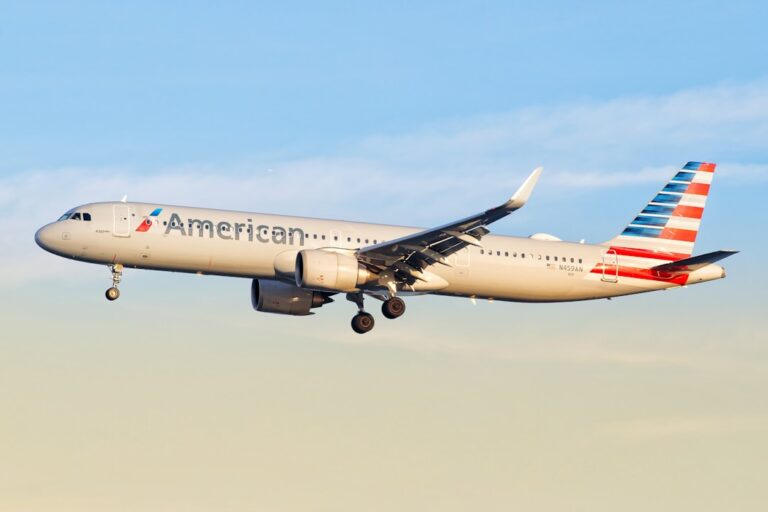
Beyond the Dubai-based airlines, carriers like Etihad (from Abu Dhabi, a short drive away), British Airways, Lufthansa, Qantas, Cathay Pacific, and Air India all serve Dubai regularly. For travelers from North America, United, American, and Virgin Atlantic offer transatlantic routes that connect through DXB or nearby hubs. Shopping across multiple carriers, especially using flexible-date search tools, often surfaces fares significantly below what you’d find booking directly with Emirates. For more strategies on keeping costs down, see our guide to how to find cheap international flights.
Dubai Flights Cost: What to Budget for Your Ticket
Airfare to Dubai varies enormously depending on your origin, how far in advance you book, and the time of year. A few patterns are consistent enough to plan around.
From the US East Coast, round-trip economy fares to Dubai typically range from around $700 to $1,400 when booked several weeks in advance outside of peak season. From the UK, economy return fares from London tend to run between £400 and £900. Travelers from Australia can expect to pay somewhere between AUD $1,200 and $2,500 for economy, depending on the routing. These ranges are based on general market patterns; actual fares shift daily, so treat these as starting points, not guarantees.
The cheapest periods to fly to Dubai are generally May through September, which corresponds to Dubai’s brutal summer heat. Temperatures regularly exceed 40°C (104°F) during those months, so lower fares reflect lower demand, not a flaw in the destination itself. If you’re spending most of your time in malls, hotels, or indoor attractions anyway, the summer shoulder season can offer real value. The most expensive windows are December through early January and the weeks surrounding major events like the Dubai Shopping Festival.
Booking 6 to 10 weeks in advance tends to hit a sweet spot for most origin cities. Last-minute deals do appear occasionally, but Dubai is popular enough year-round that waiting rarely pays off the way it might for less-trafficked destinations.
Visa Requirements for Dubai: What You Need to Know Before You Board
The UAE’s visa system is relatively straightforward, but the rules do vary meaningfully depending on your passport. Getting this wrong can cause real problems at the gate, so it’s worth taking a few minutes to confirm your situation before you fly.
Visa on Arrival Countries
Citizens of the US, UK, EU Schengen area countries, Australia, Japan, and several dozen other nations qualify for a visa on arrival in the UAE. Depending on your nationality, you’ll receive either a 30-day or 90-day stamp free of charge when you land at DXB. You don’t need to arrange anything in advance; the stamp is issued at the immigration counter. The key requirement to remember: your passport must be valid for at least six months beyond your planned departure date from the UAE. Airlines check this at check-in, and you can be denied boarding if your passport is cutting it close.
Pre-Arranged Visas
If your nationality isn’t on the visa-on-arrival list, you’ll need to apply before traveling. A 30-day tourist visa costs approximately AED 200 (around USD $54), though fees can vary slightly depending on how you apply. The most straightforward routes are through Emirates’ website if you’re flying with them, through a UAE-approved visa service, or via a hotel or tour operator in some cases. Processing times are generally fast, often within a few business days, but apply early to avoid stress. For a full breakdown of current requirements by nationality, check the UAE government official visa information before booking.
Transit Passengers
If you’re connecting through Dubai without leaving the airport, no visa is required regardless of your nationality. If you want to exit the airport during a long layover, visa-on-arrival nationalities can do so freely. Others should verify their transit visa status in advance. Many travelers use a long Dubai layover as a mini city break, which is entirely feasible given how efficiently DXB’s transit connections are set up. If you’re curious how to make the most of a stopover, take a look at our piece on how to spend a layover in Dubai.
Best Time to Book and Fly to Dubai
Timing your trip around both price and weather requires a small trade-off. Dubai’s genuinely pleasant weather runs from October through April, when daytime temperatures sit between 20°C and 30°C (68°F to 86°F) and humidity stays manageable. This is also when the city is at its most lively, with outdoor events, beach weather, and the Dubai Shopping Festival typically running from December into January. Fares and hotel rates are higher during this window, particularly around the holidays.
March and early April offer a reasonable middle ground: the weather is still comfortable, crowds start to thin after the peak winter season, and fares haven’t yet hit summer lows but aren’t at their December peak either. If you can travel in late October or early November, you’ll often find a useful window where summer prices haven’t fully corrected upward yet and the weather is already turning pleasant.
Avoid flying into Dubai during major international events if possible, as hotel availability tightens and prices spike. Keep an eye on the Dubai calendar when comparing flight dates, since a seemingly random week can coincide with a major expo, motorsport event, or festival that doubles accommodation costs overnight. Our full breakdown of when to visit Dubai covers the month-by-month picture in more detail.
Frequently Asked Questions About Dubai Flights
Which airport do most international flights to Dubai use?
The vast majority of international flights land at Dubai International Airport (DXB), which is located close to the city center. A second airport, Al Maktoum International (DWC), handles some cargo and limited passenger traffic but is set to become the city’s primary hub after a major expansion expected to complete around 2032.
How far in advance should I book dubai flights?
For most routes, booking 6 to 10 weeks ahead tends to offer a good balance of availability and price. Peak season travel around December and January fills up faster, so booking 3 to 4 months out for those dates is sensible. Last-minute deals to Dubai are less common than on less-trafficked routes due to consistently high demand.
Do I need a visa before flying to Dubai?
It depends on your passport. Citizens of the US, UK, Australia, most EU countries, and several other nations receive a free visa on arrival valid for 30 or 90 days. Travelers from countries not on that list need to arrange a visa in advance, which currently costs around AED 200 (roughly USD $54) for a 30-day tourist visa. Always verify requirements for your specific nationality before booking.
Is Emirates the only airline that flies to Dubai?
Not at all. While Emirates is the largest and most prominent carrier at DXB, over 100 other airlines fly to Dubai, including British Airways, Lufthansa, Qantas, Air India, Cathay Pacific, and FlyDubai. Comparing fares across multiple carriers often surfaces better deals than booking directly through Emirates.
Final Thoughts
Dubai has earned its reputation as one of the world’s great aviation crossroads, and the numbers back it up. With connections from over 100 airlines to nearly 300 cities, getting here is genuinely straightforward from almost anywhere. The key is knowing when to book, which airport you’ll arrive at, and whether your visa situation needs advance attention. Get those three things sorted and the rest of your trip planning becomes much easier. If you’ve been on the fence about whether Dubai belongs on your travel list, the flight network alone makes it one of the most accessible long-haul destinations you can choose. Start searching fares now, especially if you’re targeting the October-to-April sweet spot, because good seats on popular routes fill faster than most travelers expect.